Ayurveda Wellness Guide
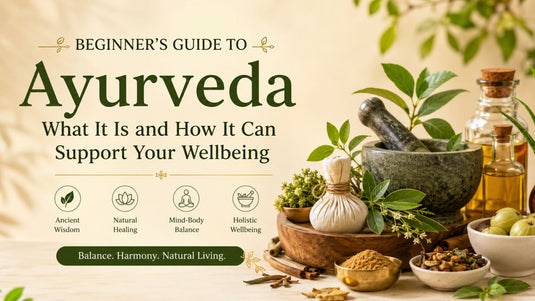
Beginner’s Guide to Ayurveda: What It Is and How It Can Support Your Wellbeing
Ayurveda is one of the world’s oldest holistic wellness systems, offering practical guidance for living in balance with nature, the seasons, food, daily routine and your unique body type. For many people in Australia and New Zealand, Ayurveda provides a gentle, natural and personalised way to support everyday wellbeing.
In this guide, you’ll learn: what Ayurveda is, where it comes from, the meaning of Vata, Pitta and Kapha, why balance matters, and how simple Ayurvedic habits can become part of daily life.
What is Ayurveda?
Ayurveda is a traditional system of health and wellbeing that originated in India thousands of years ago. The word Ayurveda comes from two Sanskrit words: “Ayur”, meaning life, and “Veda”, meaning knowledge or wisdom. Together, Ayurveda means “the knowledge of life.”
Rather than focusing only on symptoms, Ayurveda looks at the whole person — body, mind, digestion, lifestyle, environment and daily routine. Its aim is to support harmony and balance so the body can function at its best.
The History of Ayurveda
Ayurveda has been practised for thousands of years and remains widely used today as a traditional wellness system. Its principles are based on observing nature, the seasons, food, sleep, digestion, herbs and daily habits.
Today, Ayurveda is becoming increasingly popular in Australia and New Zealand as more people look for natural, preventative and lifestyle-based approaches to wellbeing.
The Three Doshas Explained
A key concept in Ayurveda is the idea of the three doshas: Vata, Pitta and Kapha. These are energetic principles that describe different patterns in the body and mind.
Vata
Associated with air and space. Vata relates to movement, creativity, circulation, breathing and the nervous system.
Pitta
Associated with fire and water. Pitta relates to digestion, metabolism, transformation, focus and warmth.
Kapha
Associated with earth and water. Kapha relates to strength, stability, structure, nourishment and calmness.
Everyone has all three doshas, but usually one or two are more dominant. Ayurveda uses this understanding to personalise food, herbs, lifestyle and daily routines.
Why Balance Matters in Ayurveda
Ayurveda teaches that wellbeing depends on balance. When your lifestyle, diet, sleep, stress levels and environment support your natural constitution, you are more likely to feel grounded, energised and clear.
When things become out of balance, Ayurveda encourages small daily adjustments — such as eating warm nourishing food, maintaining a regular routine, using suitable herbs, practising self-massage or following seasonal habits.
Simple Ayurvedic Daily Habits
You do not need to change everything at once. Ayurveda is often most powerful when practised through simple, consistent daily habits.
- Start the day with warm water to support gentle hydration.
- Eat freshly prepared meals when possible.
- Choose warm, cooked foods during colder seasons.
- Keep regular meal and sleep times.
- Use calming routines such as oil massage, meditation or gentle breathing.
- Support digestion with mindful eating and suitable spices.
- Adjust food and lifestyle according to season and constitution.
Ayurvedic Herbs and Wellness Products
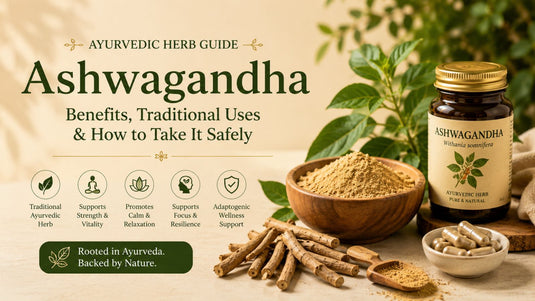
Ayurvedic herbs and products are traditionally used to support daily wellbeing, digestion, relaxation, energy, immunity and balance. Popular Ayurvedic herbs include Ashwagandha, Triphala, Brahmi, Shatavari, Tulsi, Turmeric and Guduchi.
When choosing Ayurvedic products in Australia or New Zealand, quality matters. Look for trusted suppliers, clear ingredient information, good manufacturing standards and businesses with genuine Ayurvedic knowledge.
Choosing Authentic Ayurvedic Products in Australia
At Ayusveda, our goal is to make authentic Ayurvedic herbs and wellness products more accessible across Australia and New Zealand, with guidance inspired by traditional Ayurvedic principles.
Ayurveda in Modern Life
Ayurveda is not only about herbs. It is a complete lifestyle approach that includes food, routine, rest, movement, seasonal living, emotional balance and self-awareness.
In today’s busy world, Ayurveda offers practical tools to help people slow down, understand their body, improve daily routines and make more conscious choices for long-term wellbeing.
Frequently Asked Questions
Is Ayurveda suitable for beginners?
Yes. Ayurveda can be started gently through simple habits such as improving routine, eating warm meals, supporting digestion and choosing herbs carefully.
Do I need to know my dosha first?
Knowing your dosha can be helpful, but you can still begin with general Ayurvedic lifestyle practices such as regular meals, better sleep and mindful eating.
Are Ayurvedic herbs safe?
Ayurvedic herbs should be chosen carefully and used responsibly. If you are pregnant, breastfeeding, taking medication or managing a medical condition, consult your healthcare professional before using herbal products.
Can Ayurveda replace medical treatment?
No. Ayurveda should not replace medical advice, diagnosis or treatment. It can be used as a complementary wellness approach alongside guidance from qualified healthcare professionals.
Begin Your Ayurvedic Wellness Journey
Explore authentic Ayurvedic herbs, teas, oils and wellness products carefully selected for everyday balance and natural living.
Shop Ayurvedic ProductsDisclaimer: This article is for general educational purposes only and is not intended as medical advice. Always consult your doctor or qualified healthcare professional before using herbal supplements, especially if you are pregnant, breastfeeding, taking medication or have an existing health condition.